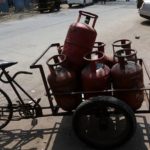
An American LPG cargo has arrived on Indian shores, offering some relief at a time when the West Asia conflict has been squeezing energy supplies across the country.
The vessel Pyxis Pioneer, sailing from Nederland in Texas, docked at New Mangalore Port on Sunday morning around 6 AM. The Singapore-flagged tanker, with a gross tonnage of 47,236 tonnes, berthed at Berth No. 13 and is set to offload 16,714 tonnes of LPG for Aegis Logistics Ltd. before heading out early Monday.
The ship left the Texas port on February 14 — a three-week voyage that now looks rather well-timed.
Why This Shipment Matters
The three-week-old West Asia conflict knocked India’s energy supply chain off balance fairly quickly. LPG supplies to commercial establishments — hotels, restaurants, dhabas — were cut back so that household kitchens could be kept running without interruption. That kind of rationing, even if temporary, signals how tightly India is managing its fuel stocks right now.
This American cargo helps ease that pressure, at least partially.
Other Ships Have Been Coming In Too
The Pyxis Pioneer is not alone. India has been pulling in energy shipments from multiple directions simultaneously.
On March 18, the crude tanker Jag Laadki brought roughly 80,800 metric tonnes of crude oil into Mundra Port. Two LPG carriers — Nanda Devi, which delivered about 47,000 metric tonnes to Vadinar Port, and Shivalik, which arrived at Mundra — have also offloaded supplies recently.
The Hormuz Question
All of this is happening while Iranian warnings hang over the region. Iran has assured safe passage for Indian vessels through the Strait of Hormuz, even as it has threatened possible strikes on UAE port areas.
That assurance matters. India imports around 88 percent of its crude oil, 50 percent of its natural gas, and nearly 60 percent of its LPG from overseas. Before the US-Israel strikes on Iran on February 28 triggered the current escalation, a large chunk of those imports came directly from Saudi Arabia and the UAE.
Diversifying quickly — including sourcing from the United States — is now less a choice and more a necessity.