Chennai’s 3.2-km pedestrian corridor project will connect Velachery and Taramani MRTS stations, improving last-mile connectivity with barrier-free walkways, urban design upgrades, and sustainable mobility under the Complete Streets initiative.

Chennai’s New 3.2 – km Pedestrian Corridor: Connecting Velachery and Taramani
The Greater Chennai Corporation (GCC) is taking a significant step toward transforming urban mobility. A Rs 14.44-crore tender has been floated to develop a 3.2-km pedestrian plaza along the Perungudi MRTS Station Road. This project aims to make walking safer, more accessible, and more efficient for commuters navigating between major transit points in the city. (AI Image)

Enhancing Connectivity Between MRTS Stations
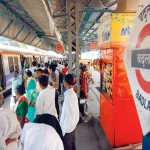
The proposed pedestrian corridor will serve as a vital link between the Velachery and Taramani MRTS stations. By creating a continuous walking route, the project aims to bridge the gap in last-mile connectivity. This will allow suburban rail passengers to transition between stations seamlessly, reducing the reliance on motorized transport for short distances. (AI Image)

Strategic Coverage Across Key Urban Zones
According to the official tender, the corridor is designed to traverse through Division 177 in Zone 13 and Division 182 in Zone 14. Covering a critical stretch of the Perungudi MRTS Station Road, the project targets high-traffic areas to maximise the benefit for the maximum number of daily commuters and local residents. (AI Image)

Part of the World Bank-Funded ‘Complete Streets’ Initiative
This infrastructure upgrade is being implemented under the World Bank-funded Chennai City Partnership Project. It falls under the “Complete Streets” programme, a modern urban planning approach that prioritises pedestrian infrastructure and non-motorised transport (NMT) to create a more sustainable city environment. (AI Image)

Focus on Barrier-Free and Inclusive Walkways
City officials have emphasised that the design will prioritise diversity. The entire 3.2-km stretch will feature continuous, barrier-free walkways. This design ensures that the elderly, children, and persons with disabilities can walk through the path safely and comfortably without facing physical obstructions. (AI Image)

Urban Design and Aesthetic Enhancements
Beyond functionality, the corridor will include modern urban design elements. Plans include dedicated seating spaces and landscaped areas, which are intended to improve the overall aesthetic appeal of the stretch. These features aim to turn a simple transit route into a pleasant public space for the community. (AI Image)

Addressing Parking and Hawker Concerns
While residents have welcomed the project, they have raised important concerns regarding its long-term maintenance. Stakeholders have stressed the need for regulated parking slots and strict measures against encroachments by hawkers. Effective solid waste management will be ensuring that the corridor remains clean and usable for everyone. (AI Image)